


Naps, Screens and Sleep: What Really Rests Your Tired Eyes
Patients tell me they rested their eyes for an hour, and the hour was the sofa and the phone. Three different things get called resting your eyes, and only some of them reach the surface.
Patients often tell me they rested their eyes for an hour. When I ask what the hour looked like, it was the sofa, the phone, and the hour going by. That is rest for the person and very little of it for the eyes.
Three different things get called resting your eyes
Closing your eyes, looking at something far away and sleeping all go by the same phrase. They are not interchangeable, and knowing which one you just had tells you whether your eyes got anything out of the hour.
Closing your eyes is the one that stops the drying
The front of the eye carries a thin film of moisture, open to the air only while the lid is up. Shut the lid fully and evaporation off the surface all but stops, for as long as it stays shut. That is the whole mechanism, and it works in a corridor, on a train or at a desk.
This is the one kind of rest a change of activity cannot give you. Moving from a spreadsheet to a phone changes the task and leaves the eye open throughout.
Looking into the distance rests the focus, not the surface
Inside each eye a ring of muscle holds the lens in its near shape for as long as you look at something close, and distance releases it. The American Academy of Ophthalmology puts it plainly: give your eyes a break occasionally, look up from the screen and look at an object in the distance for a bit. It takes the near work off the muscle and leaves the tear film where it was.
It works the other way too: behind a closed lid the focusing muscle does not let go completely, but drifts to a resting point around arm's length. A far view and a closed lid are two tools for two jobs.
Sleep is the one your whole body is in on
Sleep is the only kind of rest that involves the whole body, the glands that make tears included. In a small study, young men kept awake for one night had a thinner, saltier film by morning than men who slept. Enough of it matters: the National Eye Institute names seven to eight hours a night among the lifestyle changes it suggests for dry eye.
Is a nap good for dry eyes?
A nap does something real and is still not a substitute for the night. For as long as your lids are down almost nothing is drying off the surface, and if you actually fall asleep, the rest of you recovers a little of a short night.
What a nap cannot do is settle a sleep debt weeks deep. Nobody has looked at a daytime nap and the eye surface directly, so that is reasoning from the closed lid and from what short nights do to tears. If the nap is there because the nights are short, our article on sleep loss and dry eyes matters more.
Lids shut in a dim room is downtime for the surface and for you. Dozing in front of the television, eyes half open and the fan on you, is an hour of the exposure you were escaping, and the NHS counts watching TV among the things to take breaks from rather than as the break.
The ten minute rest that fits inside a working day
This is the one I suggest most often, because it asks for nothing: no window, no quiet room, no equipment.
- Ten minutes with the lids closed and soft. Not squeezed shut, which is work. Closed and still, head back if there is anywhere to put it, and somewhere dim if dim is available.
- A lubricating drop at the start. It spreads under a closed lid and stays where it is put instead of being blinked away in the first minute.
- Three slow, complete blinks at the end. Close softly, hold for a beat, open slowly. That lays a fresh layer down before the screen.
- The phone in a pocket. The ten minutes stop the moment a screen lights up.
One honest note, because this habit gets sold harder than the evidence allows. Tested in the middle of a two hour phone session, ten minutes of closed lids did not keep symptoms from getting worse, and only the people who added a lubricating drop in those ten minutes came out level. Treat it as a brake rather than a repair, and keep the drop in it.
Downtime that quietly is not downtime
Most of what goes wrong here is a break that only looks like one.
- A break on a smaller screen. Our piece on screen breaks that rest your eyes takes that one apart, and it applies to the sofa as much as the desk.
- An evening in front of a film. Two unbroken hours of it, with blinking down from around fifteen a minute to five to seven in front of a screen. Three slow blinks as the credits roll cost nothing.
- A book held close in bed. Rest from work is not rest from near focus. Reading drops the blink rate on paper as well as on a screen, so a chapter in bed can leave your eyes drier than you expected.
Why the hour before bed is the downtime that pays twice
Of all the quiet stretches in a day, the hour before sleep is the one worth spending on your eyes, since what happens in it carries into the night as well. Warmth over closed lids, a wipe along the lash line, lenses out well before you undress, a drop once you are lying down. Our evening routine for tired eyes walks through that hour scene by scene.
The one way a nap can leave your eyes worse
Falling asleep in contact lenses is the single way an hour of rest ends worse than it began. A lens on the cornea during sleep cuts the oxygen reaching it and holds everything underneath against the surface, and the risk of a lens related eye infection runs some six to eight times higher. Roughly a third of wearers say they have slept or napped in theirs, and not always by accident.
The American Academy of Ophthalmology is blunt about it: do not sleep in your contact lenses, even if they are labeled extended wear. The NHS puts the gentler half of the same point on its self help list: take the lenses out and wear glasses to rest your eyes. If there is any chance of dozing off, the lenses come out first, the unplanned twenty minutes on the sofa included.
If the habit is what slips rather than the intention, DryEyeGuide has a voice-led blink routine where a recorded coach calls each close, squeeze and relax out loud, so you follow a voice instead of watching a clock, and a 20-20-20 timer that loops twenty minutes of work and a twenty second break while the session is open. A timer and a coach, nothing more.
Rest is not one thing, and that is the useful part: the cheapest version is available anywhere. Ten minutes with your lids down costs nothing, the far look costs twenty seconds, and the night is the one to protect rather than improvise. If a nap or a night regularly leaves your eyes sore and gritty, have an eye care professional look at how your lids sit while you sleep.
Common questions
Does closing your eyes help dry eyes?
Yes, and it is the most reliable small thing you can do. The tear film is only open to the air while the eye is open, so evaporation off the surface all but stops for as long as your lids are down. Ten minutes of that in the middle of a screen day is worth having, and it works better with a lubricating drop put in at the start.
Is napping good for your eyes?
A nap with your eyes genuinely closed gives the surface a stretch with almost no evaporation, and if you sleep, the rest of you gets some of what a short night took. Nobody has studied a daytime nap and the eye surface directly, so that is reasoning from the mechanism rather than a tested promise. A nap is a help, not a replacement for the night, and the night is the one the National Eye Institute puts at about seven to eight hours.
How long should you rest your eyes for?
Twenty seconds of looking into the distance takes the near work off the focusing muscle, and ten minutes with the lids closed is the version that reaches the surface. The two are not interchangeable, so a working day usually wants both: the short far look every twenty minutes or so, and one proper eyes-closed stretch when the day allows it.
Can you nap with contact lenses in?
It is the one habit I would ask you to drop outright. A lens on the cornea during sleep cuts the oxygen reaching it, and the risk of a lens related eye infection runs several times higher than in eyes that sleep without them. The American Academy of Ophthalmology says not to sleep in contact lenses even if they are labeled extended wear, so if there is any chance of dozing off, take them out first.
Does watching TV count as resting your eyes?
Not really, and the NHS lists watching TV among the things to take breaks from rather than as the break itself. A film holds your attention as tightly as work does, blinking thins out the same way, and the eyes stay open throughout. Keep the film and interrupt it instead: three slow, complete blinks whenever the scene gives you a gap.
Sources
Curious how your eyes are doing day to day?
DryEyeGuide guides you through gentle eye routines, sets the reminders that make them stick, and helps you notice how your eyes feel day to day.
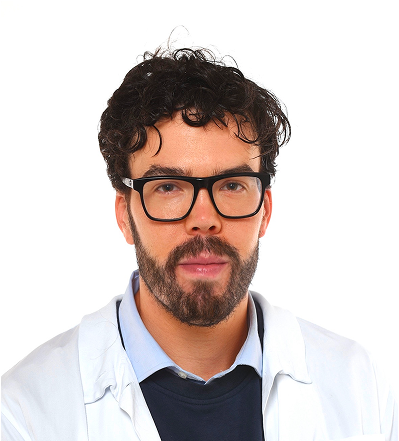
Dr. Gunnar Hansson is a physician working in Norway, with a medical degree from Uppsala University and a broad background in ophthalmology, including research and teaching. He completed the Dry Eye Course at Moorfields in London and founded SynRo to make everyday eye comfort easier to care for.